The Importance of Software Maintenance and Legacy System Migration in 2026
Why maintaining software and modernizing legacy systems is essential for scalable, secure, and future-ready businesses.
Introduction
In today’s fast-evolving digital landscape, launching software is only the beginning. What truly determines long-term success is how well that software is maintained and how effectively legacy systems are modernized. As businesses rely more heavily on digital infrastructure, software maintenance and legacy system migration have become critical priorities in 2026.
At Innobiz, we help businesses keep their systems reliable, secure, and future-ready. Our services focus on resolving issues, improving performance, adding new capabilities, and migrating outdated systems to modern technologies with minimal disruption.
This blog explores why these practices matter today, outlines best maintenance approaches, and explains how structured migration strategies help businesses scale with confidence.
Why Software Maintenance Matters More Than Ever
Software maintenance ensures applications remain secure, scalable, and aligned with evolving business needs. In 2026, the cost of neglecting maintenance is higher than ever. Studies show that poorly maintained systems experience up to 40% higher downtime costs, while nearly 70% of security breaches are linked to unpatched vulnerabilities.
Regular maintenance reduces these risks by keeping systems updated, fixing bugs early, and improving overall performance. Beyond security, maintenance also extends the life of existing software, allowing businesses to maximize their technology investments while adapting to changing market demands.
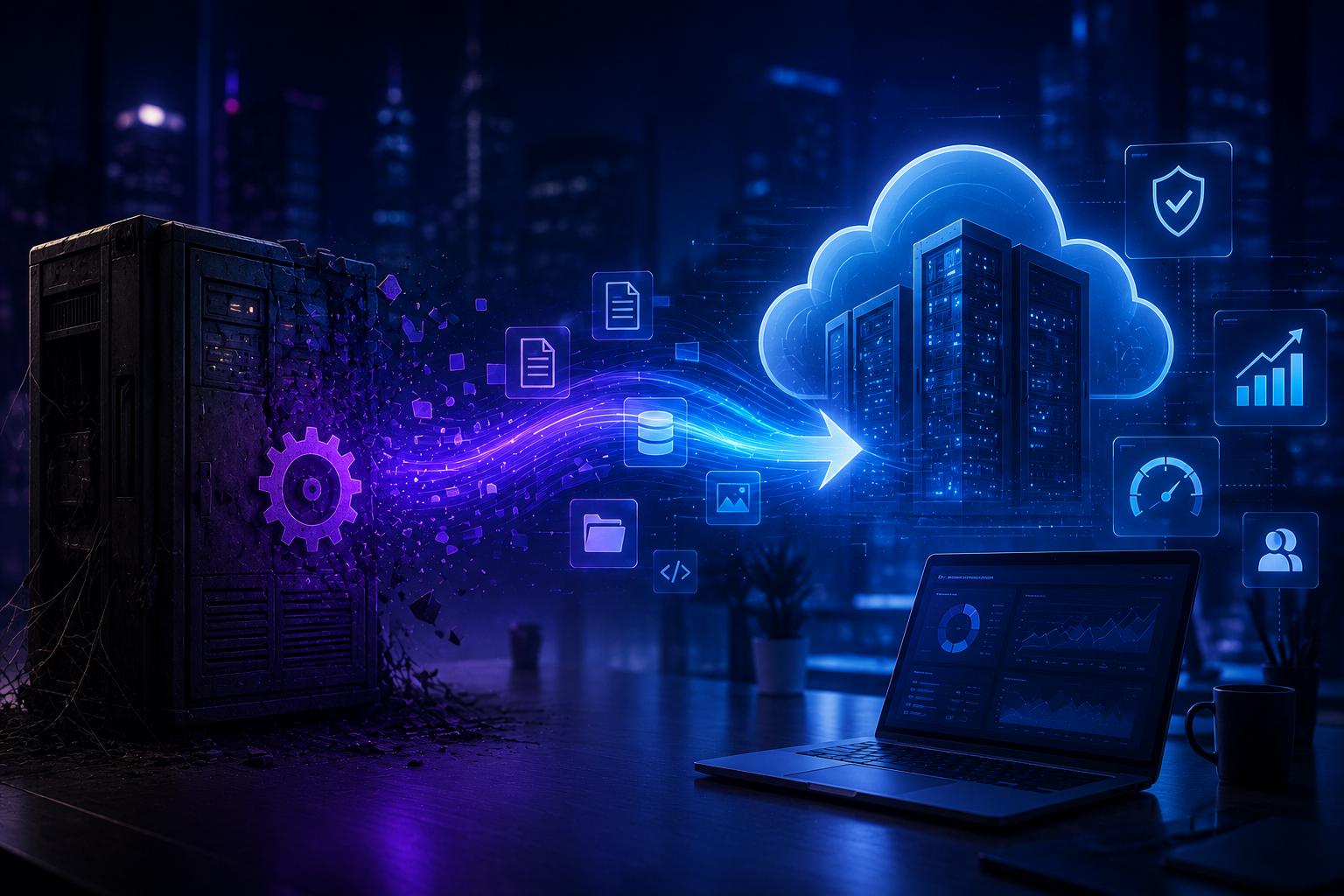
Legacy systems pose an even greater challenge. Many organizations still depend on outdated platforms built on older technologies such as COBOL. While functional, these systems limit agility and innovation—88% of enterprises report legacy infrastructure as a major barrier to digital transformation.
Migrating these systems enables cloud adoption, AI integration, and operational cost reductions of up to 30%, unlocking new growth opportunities.
Best Practices for Effective Software Maintenance
A structured maintenance approach helps businesses avoid unexpected failures and rising costs. The following best practices ensure long-term system stability and performance:
Together, these practices can reduce long-term maintenance costs by 25–40% while improving reliability and user experience.
- Establish a clear maintenance plan (corrective, adaptive, perfective, preventive).
- Maintain strong documentation with clear architecture and code comments.
- Automate monitoring and testing to detect issues early.
- Conduct regular security audits based on OWASP standards.
- Refactor code proactively to improve scalability and efficiency.
- Continuously upskill teams with modern tools and technologies.
- Measure key performance indicators like uptime, response time, and MTTR.
The Five Key Phases of Legacy System Migration
- Assessment: Inventory existing systems, analyze dependencies, and identify challenges such as performance bottlenecks or data silos.
- Planning: Select the most suitable migration strategy—rehosting, refactoring, or rebuilding—based on business goals, timelines, and budgets.
- Execution: Migrate data, integrate APIs, and deploy changes incrementally to reduce operational risk.
- Testing: Perform unit, integration, and user acceptance testing, along with performance and load simulations
- Go-Live and Optimization:Monitor systems post-migration, optimize performance, and gradually decommission legacy infrastructure
Choosing the Right Migration Strategy
| Migration Strategy | Best For | Advantages | Limitations |
|---|---|---|---|
| Rehosting | Quick modernization | Fast, low initial cost | Limited transformation |
| Refactoring | Incremental upgrades | Scalable, preserves logic | Time-intensive |
| Rebuilding | Full transformation | Future-ready architecture | Higher cost and risk |
Key Trends Shaping Maintenance and Migration in 2026
Several emerging trends are redefining how organizations manage and modernize their systems. AI-powered predictive maintenance enables businesses to anticipate failures before they occur. Edge computing reduces latency for data-intensive and IoT-driven environments. Low-code and no-code platforms accelerate migration timelines, while zero-trust security models strengthen system protection. Automation in service management continues to reduce manual workloads by up to 50%, improving efficiency and reliability
Innobiz: Your Partner in Maintenance and Modernization
Innobiz delivers tailored software maintenance and legacy migration solutions designed to improve performance, reduce risk, and support long-term growth. Our approach focuses on minimizing disruption while maximizing return on investment, helping businesses transition smoothly into modern, scalable systems.
Final Thought
In 2026, software maintenance and legacy system migration are no longer optional—they are strategic imperatives. Businesses that invest in continuous maintenance and structured modernization will gain resilience, scalability, and competitive advantage in an increasingly digital world.
Ready to modernize your software landscape? Contact Innobiz today for a free assessment and future-proof your systems.